
Laws by state (Virginia)
Virginia's Data Center Tax Break: Who Really Pays?
Virginia gives data centers a large tax break that state analysts say drives most of the build-out. Here is what the 2026 fight over it means for homeowners.
Article
AI and hyperscale data centers are moving in next to neighborhoods, bringing constant noise, heavy water use, air pollution, and falling home values. If one is harming your family, the law may be on your side. We help you take action.
Data centers cause specific, provable harms, and courts increasingly recognize them. Tell us what you're living with. It takes 20 seconds, and it's the first step to finding out where you stand.
This is not legal advice and creates no attorney-client relationship. It is just a starting point for a conversation.
These aren't minor annoyances. They're measurable, documentable impacts on your health, your home, and your right to enjoy the place you live.
The round-the-clock hum of cooling systems and backup generators, including low-frequency sound you feel more than hear, disrupting sleep and quiet enjoyment.
Facilities that drink millions of gallons a day can drop the water table, dry up wells, and threaten the groundwater your community depends on.
Diesel backup generators and on-site gas turbines release fumes and pollutants into the air your family breathes, often with little disclosure.
An industrial facility at your fence line can sink home values and make a house hard to sell. It is a real, recoverable loss for the people who live nearby.
Rezonings and permits pushed through without proper public notice, review, or honest disclosure. These are decisions that can sometimes be challenged and undone.
When a neighborhood is harmed together, the law lets you act together as a class, turning many small voices into one case that gets attention.
You don't need to understand the law. You just need to tell us what's happening. We handle the rest, and there's no cost to find out where you stand.
A free, confidential conversation about what you're experiencing and when it started.
Sound readings, water testing, appraisals, and the right experts to document the harm.
We file, individually or as a class, and pursue damages, cleanup, or shutting the harm down.
Compensation, changes at the facility, or relief for your community, pursued through settlement or trial.
The build-out is enormous and accelerating. Our approach is grounded in documented, sourced facts, never exaggeration.
Figures shown are illustrative placeholders for this design mockup. Every number on the final site will carry a specific value, a cited source, and an "as-of" date, consistent with the practice's evidence-first standards.
Benchmark outcomes from data-center and closely related industrial-nuisance and contamination cases. They show what this area of law can deliver. They are illustrative examples, not this firm's own results, and don't guarantee any outcome.
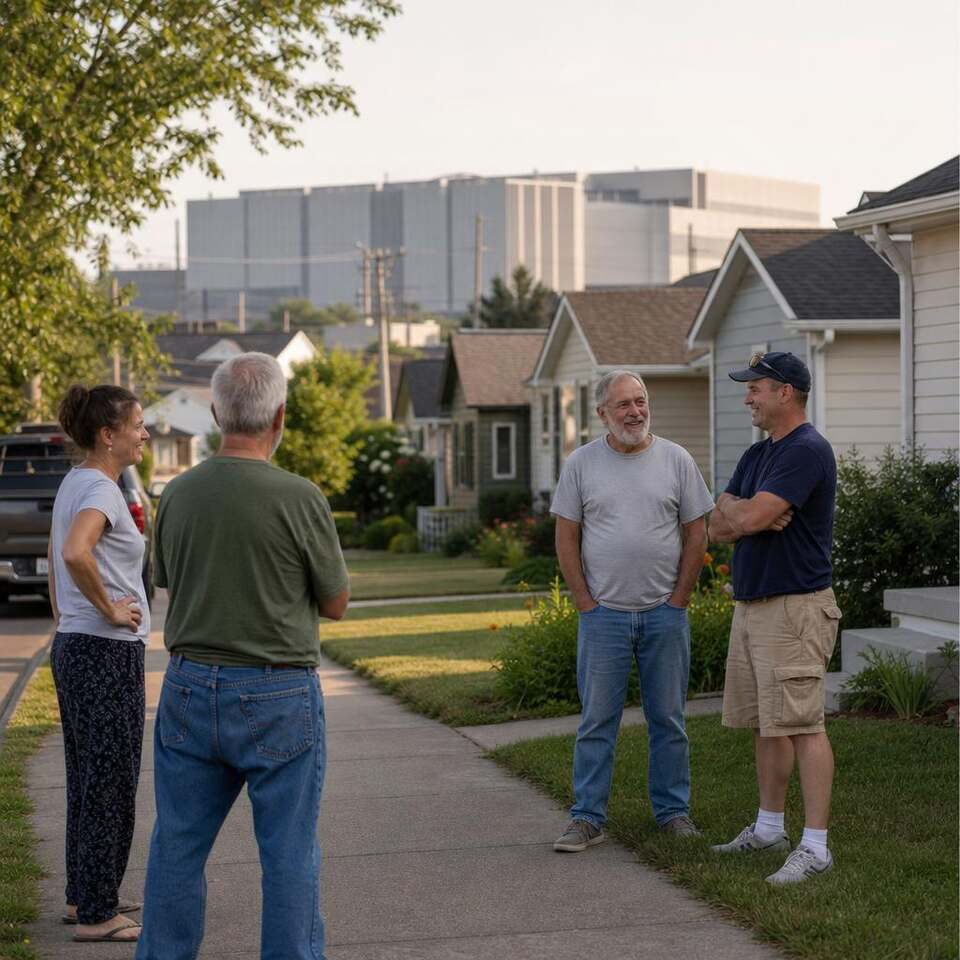
Data centers aren't going away, but they have to follow the law, tell the truth, and answer for the harm they cause. That's the whole job.
Virginia gives data centers a large tax break that state analysts say drives most of the build-out. Here is what the 2026 fight over it means for homeowners.
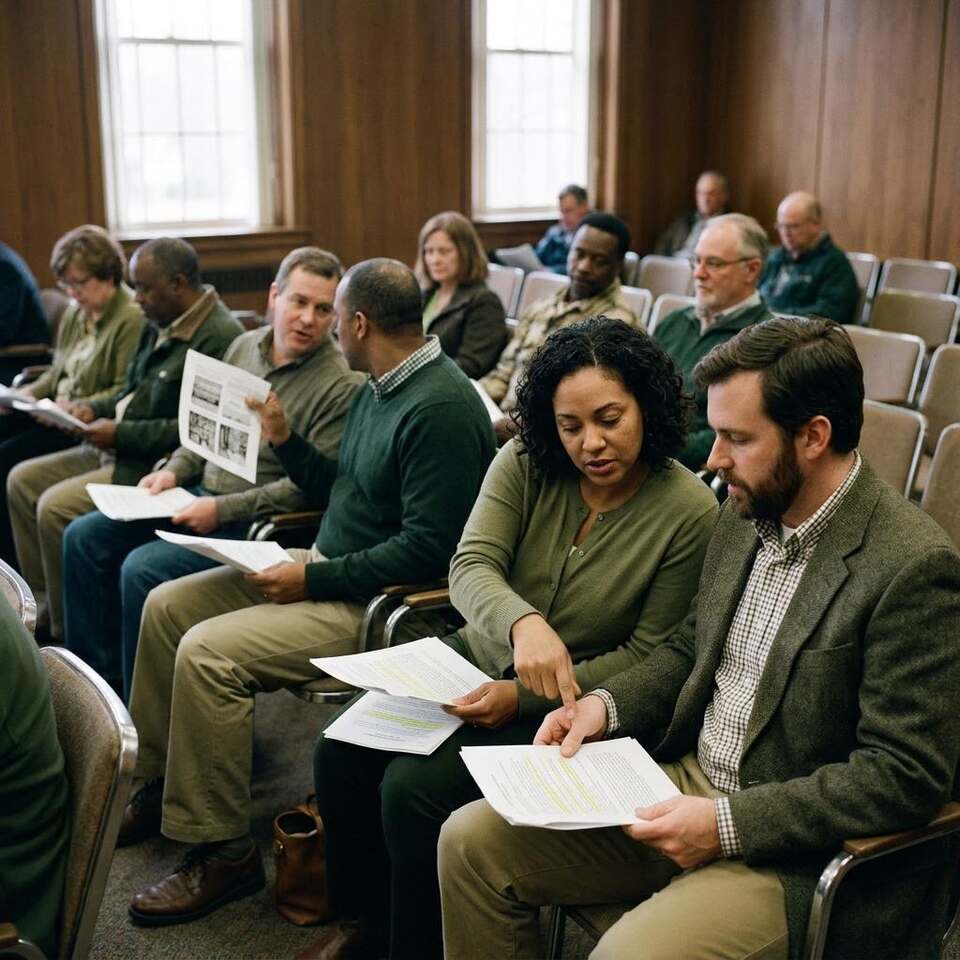
Virginia's state watchdog documented data center harms, lawmakers required local impact studies, and counties tightened zoning. Here is how communities are using those tools.
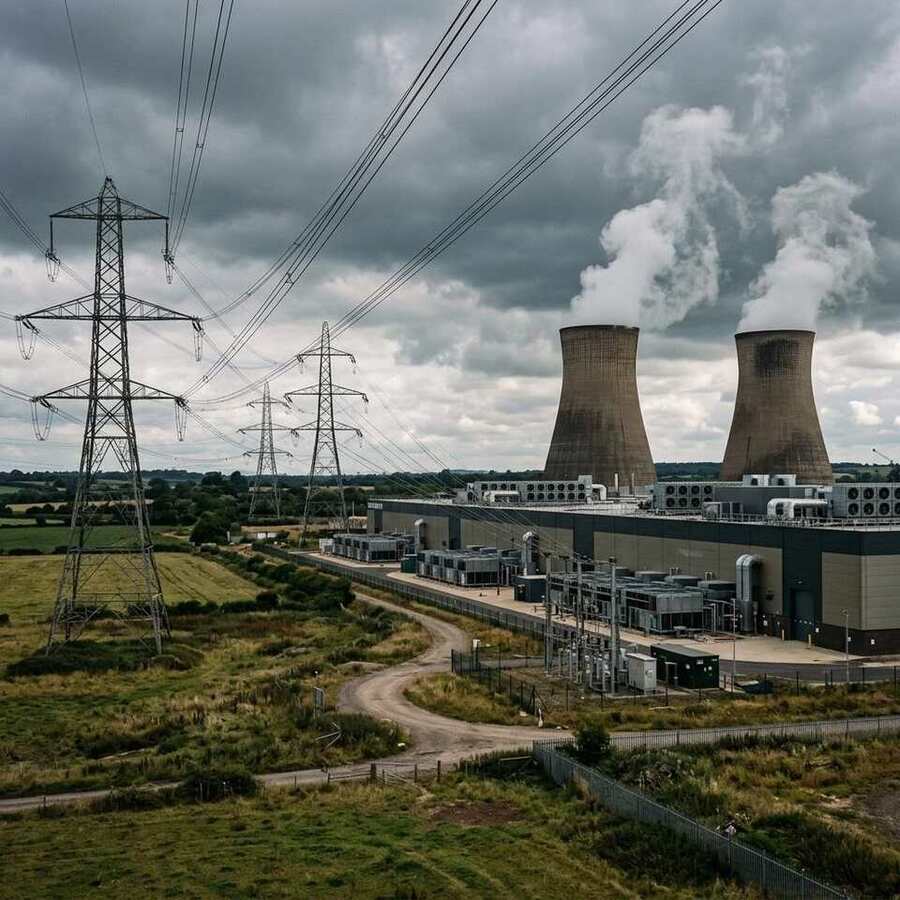
AI is driving a massive jump in data center power demand, pushing operators toward new gas and nuclear plants and into rural towns. Here are the numbers and what they mean for neighbors.
Straight answers about data center claims, what they cost, and what to expect.
Often, yes. If a nearby AI or hyperscale data center causes constant noise, vibration, water problems, air pollution, or a drop in your property value, you may have a claim such as private nuisance, negligence, or an environmental violation. The first step is a free case review that looks at your specific facts and location.
A case review is free and confidential, with no obligation. Many cases in this area are handled on a contingency basis, which means you pay legal fees only if there is a recovery. We explain the fee arrangement clearly before you decide anything.
The most common harms are round-the-clock noise and low-frequency vibration from cooling systems and backup generators, heavy water use that can affect wells and groundwater, air emissions from diesel generators, and reduced property values for homes near the facility.
No. You do not need to gather evidence first. Simple records help, such as the dates and times you notice noise, short phone recordings, and photos, but we handle the technical proof such as sound readings, water testing, and appraisals.
We work with residents and communities nationwide, focused on the states where data center construction is growing fastest. Tell us your location during your free case review and we will confirm whether we can help there.
Tell us what you're experiencing. A case review is free, confidential, and comes with no obligation. If we can help, we'll tell you. If we can't, we'll point you in the right direction.